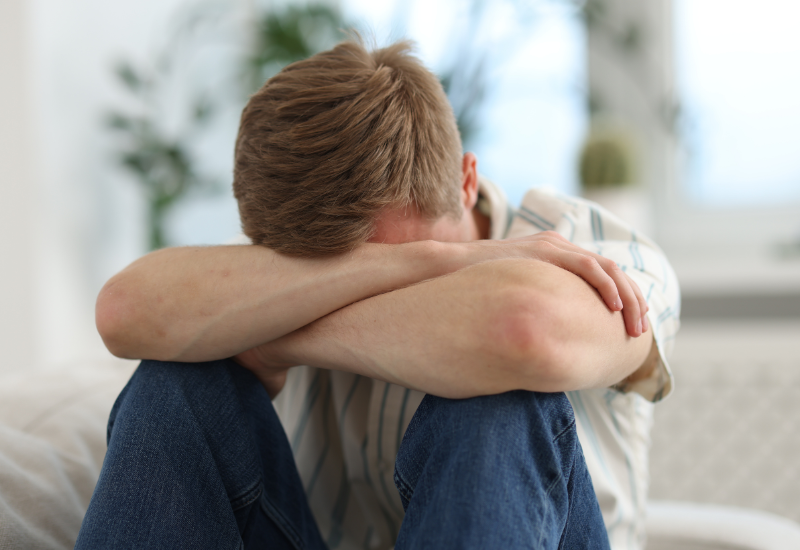
Anxiety can show up in countless ways—panic when leaving the house, obsessive fears driven by intrusive thoughts, avoidance of social situations, or overwhelming dread in everyday tasks. While the triggers may differ, the underlying pattern is often the same: fear leads to avoidance, avoidance leads to more fear, and over time, life becomes smaller and smaller.
One of the most effective and scientifically supported treatments to interrupt this cycle is exposure therapy for anxiety. Used for decades, backed by extensive clinical research, and practiced by therapists worldwide, exposure therapy helps people gently and systematically face the very situations their mind has marked as “dangerous.”
Instead of teaching you to avoid, suppress, or distract yourself from fear, exposure therapy guides you in turning toward it—slowly, intentionally, and with support—until your brain learns a new story: This isn’t dangerous. I can handle this. I am safe.
If you’ve struggled with anxiety, OCD, panic, phobias, or agoraphobia, this approach can be a powerful path toward long-lasting change. Below, we’ll break down what exposure therapy is, why it’s so effective, common myths, real-world examples, and how you can begin taking steps toward recovery.
Part One: Understanding Exposure Therapy—What It Actually Is
Many people hear the word “exposure” and imagine worst-case scenarios: being forced to confront your fears without preparation, being thrown into overwhelming situations, or being pressured into something you don’t feel ready for.
That could not be farther from what ethical, modern exposure therapy looks like.
Exposure therapy for anxiety is a structured, collaborative treatment approach in which a therapist helps you gradually face feared situations, sensations, or thoughts in a controlled and intentional way. The goal is simple: reduce avoidance and retrain your brain to stop interpreting non-dangerous situations as threats.
What Anxiety Does to the Brain
When someone feels anxious, their brain sends out a false alarm. A traffic jam, a crowded grocery store, a conversation, or a random intrusive thought becomes interpreted as “danger.” Avoidance keeps the alarm going.
Exposure interrupts this cycle by showing your brain—repeatedly, safely—that the feared thing is tolerable, manageable, and not as catastrophic as you predicted.
The Outcome:
With time, consistency, and support, your nervous system quiets down. The situations that once felt unbearable become neutral. You regain freedom.
Part Two: Why Exposure Therapy Works Across Many Anxiety Types
One of the reasons exposure therapy is used so widely is its versatility. It is not limited to a single diagnosis or type of anxiety. Because avoidance is a core maintaining factor in many conditions, exposure therapy can be adapted to fit your specific fear structure.
Here’s how exposure therapy helps across different anxiety presentations:
1. OCD-Induced Anxiety (Obsessive-Compulsive Disorder)
Obsessions create distress; compulsions temporarily relieve it. The problem is that compulsions reinforce the idea that the obsession was dangerous.
Exposure and Response Prevention (ERP), a form of exposure therapy, helps you face the intrusive thoughts or feared triggers without performing compulsions. Over time, the fear loses its power.
Example:
Fear: “If I don’t check the stove five times, the house will burn down.”
ERP: Intentionally leaving the house after one check—and resisting the urge to return.
2. Panic and Fear of Physical Sensations
People with panic disorder often fear the sensations of anxiety themselves—racing heart, dizziness, shaking, tightness in the chest.
Interoceptive exposure teaches your body and mind that these sensations are uncomfortable but not dangerous.
Example:
Practices like spinning in a chair or running in place help you “experience” dizziness or rapid heart rate in a safe setting so you stop fearing the sensations.
3. Agoraphobia and Fear of Leaving Home
For some, stepping outside or being far from “safe zones” triggers panic. Exposure therapy gradually increases their radius of comfort.
Example:
Starting with standing outside the front door, then walking to the mailbox, then driving around the block, then visiting a store.
4. General Anxiety and Everyday Worries
Avoidance isn’t always dramatic. It can look like avoiding phone calls, skipping appointments, or procrastinating tasks because they feel uncomfortable.
Exposure helps build tolerance and confidence.
5. Social Anxiety and Fear of Judgment
People with social anxiety often avoid conversations, eye contact, eating in public, or expressing opinions.
Exposure involves practicing these skills in real environments, with support and planning.
6. Specific Phobias
Fear of dogs, fear of flying, fear of needles, fear of driving—exposure therapy remains the most effective treatment for phobias.
Part Three: The Science Behind Exposure Therapy
Research spanning decades consistently shows that exposure therapy for anxiety is one of the most effective treatments for:
- OCD
- Panic disorder
- Agoraphobia
- Social anxiety
- Specific phobias
- Generalized anxiety
- PTSD (within trauma-specialized protocols)
Why It Works (Explained Simply)
Exposure therapy relies on several scientifically supported principles:
Habituation
Repeated exposure reduces the intensity of the fear response.
Extinction Learning
The brain learns that the feared stimulus is not actually dangerous.
Inhibitory Learning
New “safety memories” override old fear memories.
Increased Tolerance for Uncertainty
You learn that you can handle discomfort without shutting down or avoiding.
Behavioral Activation
As you face fears, your life expands—you do more, go more places, and engage more fully.
Part Four: Debunking Common Misconceptions
Exposure therapy is often misunderstood. Here’s what’s actually true:
Myth 1: Exposure is traumatic or overwhelming.
Wrong. It is gradual, collaborative, and done at your pace.
Myth 2: You have to dive straight into your biggest fear.
Absolutely not. You start small and build up—this is called a hierarchy.
Myth 3: Exposure therapy means “just pushing through anxiety on your own.”
Exposure is strategic—not random—and guided by a trained therapist who ensures the process is safe and effective.
Myth 4: If you don’t feel better right away, exposure isn’t working.
The goal is long-term change, not immediate comfort. Growth often involves temporary discomfort.
Myth 5: Exposure therapy ignores emotions.
On the contrary—it helps you build emotional resilience and teaches your brain a fundamentally new way to respond to fear.
Part Five: What Exposure Therapy Looks Like in Practice
While every treatment plan is customized, a typical exposure approach involves three key stages:
Stage 1: Assessment and Mapping Your Fear Patterns
Your therapist explores:
- What triggers anxiety
- How you respond
- What you avoid
- What your brain predicts will happen
This becomes the foundation for your personalized plan.
Stage 2: Building a Fear or Avoidance Hierarchy
Together, you create a list of anxiety-triggering situations ranked from least difficult to most challenging.
For example, someone with contamination OCD may create a list like:
- Touching bathroom sink handles
- Touching a public doorknob
- Touching a public trash can and not washing for 10 minutes
- Touching the floor and not washing for 30 minutes
Stage 3: Gradual & Repeated Exposure
You begin practicing exposures—starting with lower-anxiety tasks and working your way up. You repeat each step until it becomes easier, and your confidence grows.
What Success Looks Like
Not the absence of anxiety.
Not perfection.
Not fearlessness.
Success means fear no longer controls your life.
Part Six: Real-World Examples of Exposure for Everyday Anxiety
To illustrate how exposure therapy for anxiety works, here are sample exposure exercises used in common scenarios:
For OCD Intrusive Thoughts
- Saying a feared phrase aloud without reassuring yourself
- Imagining the feared scenario without trying to neutralize it
- Touching an item believed to be “contaminated” without washing afterward
For Anxiety About Leaving Home
- Standing in the doorway
- Walking 5 minutes outside
- Going to a coffee shop with a support person
- Going alone later on
For Social Anxiety
- Making small talk with a cashier
- Introducing yourself at a gathering
- Sharing your opinion in a meeting
For General Avoidance
- Setting a timer and completing a task you’ve been putting off
- Scheduling a phone call you’ve avoided
- Practicing decision-making without overthinking
Each step gently teaches your brain:
“I can do this. I can tolerate this. This is safe.”
Part Seven: Signs That Exposure Therapy May Be Right for You
You might benefit from exposure therapy if you:
- Avoid situations you wish you could participate in
- Spend a lot of time worrying “what if…?”
- Feel trapped by looping anxiety or OCD thoughts
- Fear physical sensations of anxiety
- Avoid leaving home or traveling alone
- Feel controlled by compulsions or rituals
- Feel overwhelmed in social settings
- Want lasting relief rather than short-term coping
If any of these resonate, you’re not alone—and exposure therapy is one of the most evidence-based ways to break the cycle.
Part Eight: What Makes Exposure Therapy Different From Other Approaches
While many coping tools help you manage anxiety, exposure therapy helps you change your relationship to it. Over time, anxiety stops being the narrator of your life.
Instead of asking:
“How do I make these fears go away?”
Exposure therapy teaches you to ask:
“How can I show my brain that I’m stronger than these fears?”
This shift creates freedom, possibility, and genuine long-term healing.
Part Nine: How to Get Started With Exposure Therapy
Beginning exposure therapy for anxiety is a major step toward reclaiming your life. You don’t have to navigate this alone—working with a trained therapist ensures the process is safe, structured, and empowering.
Here’s how to take the next step:
- Seek a therapist trained in exposure therapy or ERP
- Share your symptoms and avoidance patterns
- Collaborate on your personalized hierarchy
- Practice exposures both in and outside of sessions
- Celebrate progress (even small steps matter)
Every exposure is a vote for the future you want—one where you can move freely, think clearly, and engage with life on your terms.
If You’re Ready to Experience Real Relief, Our Therapists Are Here to Help
If this blog resonated with you, it may be a sign that exposure therapy could be transformative for your anxiety, OCD, or avoidance patterns. You deserve a life that feels open, calm, and manageable—and you don’t have to work toward it alone.
Book a therapy session today to start your journey with exposure therapy for anxiety.
We’re here to help you take the first step, at your pace, with compassion and expertise.
Contact Us:
Phone: (667) 899-8292
Email: support@provenrelieftherapy.com
Office location: 38 Sisson Rd #303, Harwich Port, MA 02646
Therapy services in Harwich and across Cape Cod and Massachusetts